What Age Should My Child Start Dance Classes?
By Kim Teachout Thomas, founder of Prince William Dance Academy. Serving Nokesville, Bristow, Gainesville, Manassas, and Haymarket for 23+ years.
The first time a child walks into our Nokesville studio, they usually do one of two things. They run straight to the middle of the room, or they hold onto your leg and watch from the doorway. Both are completely normal. Both belong here.
After 25 years of welcoming new little dancers from Nokesville, Bristow, Gainesville, and beyond, we can tell you that a first class is rarely about learning steps. It is about a child hearing their name, noticing another dancer smiling next to them, and slowly deciding that this room is a safe place to try. The steps come later. The belonging comes first.
That is usually the real question underneath the one parents ask us most:
What age should my child start dance classes?
The Quick Answer
Many studios, including Prince William Dance Academy, begin independent children's classes at age 3. Our Little Stars classes are built for ages 3 to 5, and for a lot of children that window is a natural time to begin.
That said, readiness matters more than a birthday. A child is often ready when they respond to music, can take part in a short group activity with a little support, and are willing to try something new. Plenty of children also start beautifully at 6, 8, 10, or later. It is not too late, and they are not behind.
Ready to see what fits your child right now? Browse our summer classes.
At a Glance
Many children begin dance between ages 3 and 5.
Readiness depends on the child, the class, and the teacher, not just age.
Children do not need to be outgoing or experienced.
Older beginners are not behind. We welcome first-time dancers at every age.
The right studio helps a child feel known, supported, and glad to come back.
What Is the Best Age to Start Dance?
There is no single best age for every child, and we would be careful of anyone who tells you otherwise.
Children grow at their own pace. Some are ready for a group class at 3. Others do better with a little more time before they can settle in without a parent nearby. Both are fine.
The class itself matters just as much as the age. A class for 3-year-olds should never look like a class for 8-year-olds. Younger children need simple directions, repetition, movement, imagination, and clear routines. When the class fits the child, the child can succeed.
So the best time to begin is when the class matches your child's age and your child shows some interest in trying. Their first experience should be built around who they are right now, not around what another child their age is doing.
What Children Actually Learn in a Beginner Class
Parents often picture dance shoes, costumes, and recitals. Those are part of it, and they are a lot of fun. But they are not the whole story.
In an age-appropriate beginner class, children get regular practice at things that help them well beyond the studio:
Listening for directions and changes in the music
Starting and stopping with a group
Moving with more body awareness and control
Remembering short patterns
Waiting briefly for a turn
Working next to other children
Trying again when a movement feels hard
Encouraging a classmate
These do not all show up in week one. At first, a child might only remember where to stand. A few weeks later, they recognize the opening song. Then they start remembering a movement before the teacher shows it. Little by little, the room becomes familiar, their teacher knows their name, and they start looking for the same friends each week.
Dance does not replace school, free play, family time, or other activity. It offers something different: one steady place each week where music, movement, instruction, and friendship come together.
Preschool Dance Classes for Ages 3 to 5 (Little Stars)
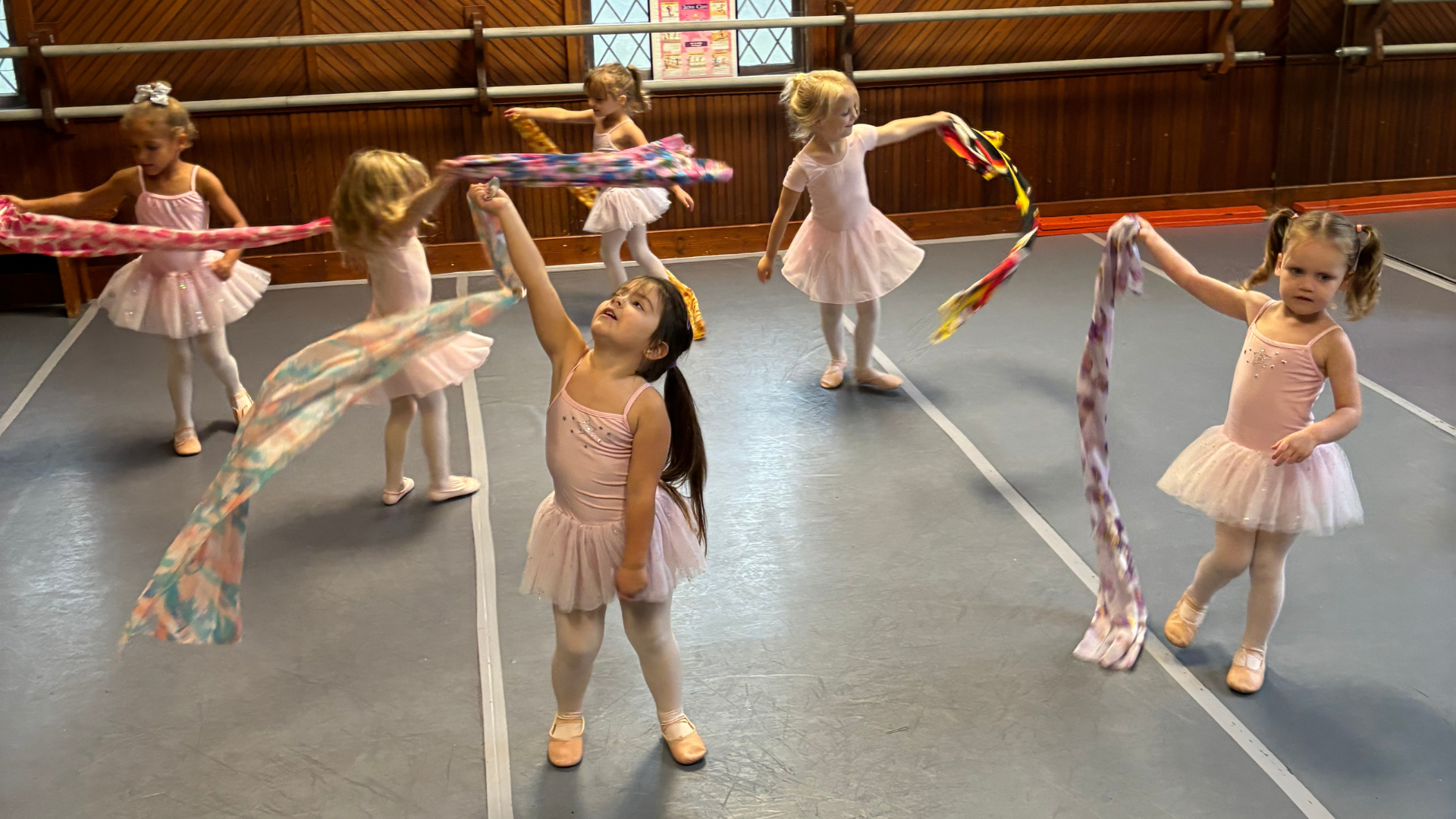
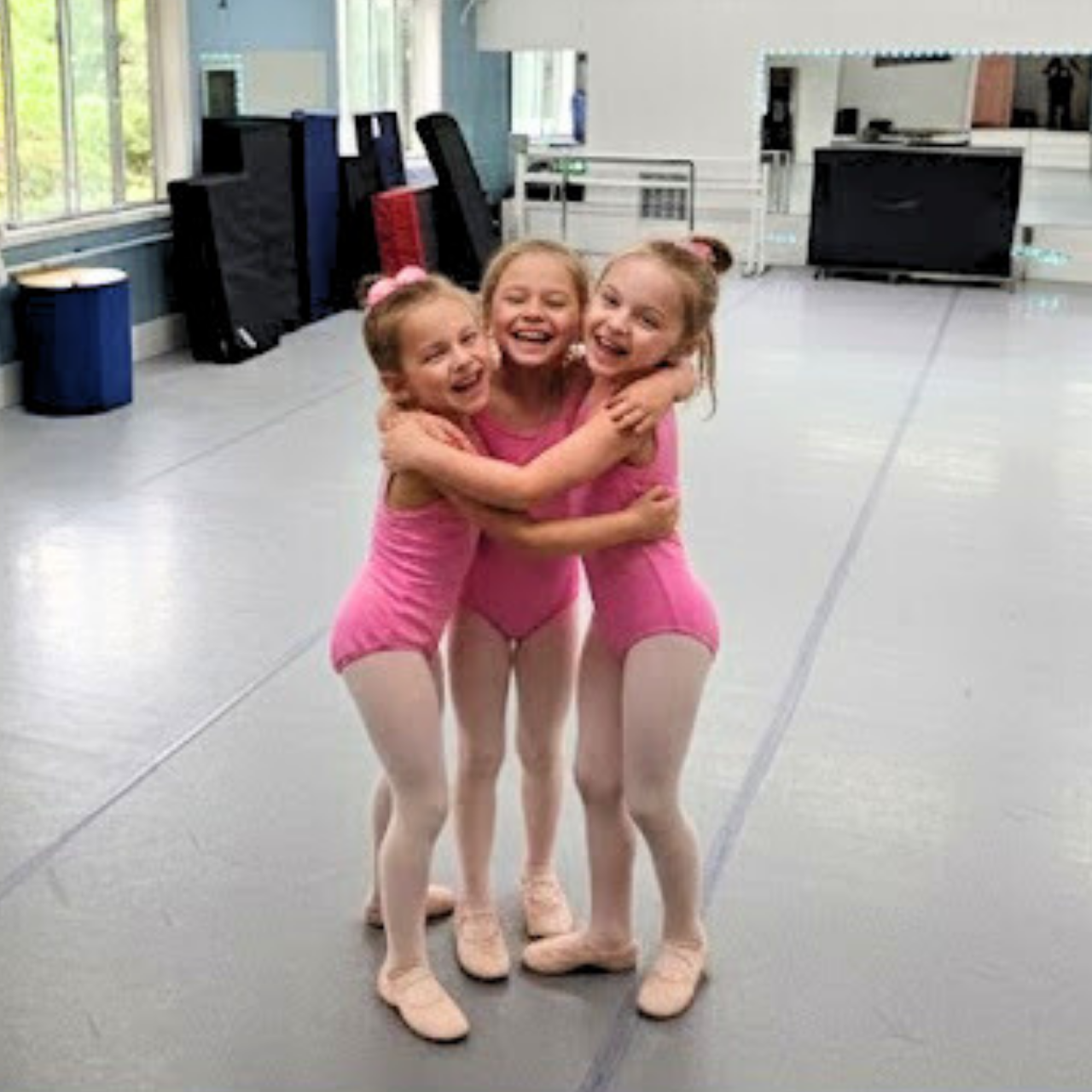
For many children, ages 3 to 5 are a natural place to begin. At this age, class should still feel playful. Our youngest dancers move like animals, travel across the floor, freeze when the music stops, and explore early ballet, tap, and creative movement using scarves, ribbons, and hoops to keep them engaged.
They are not expected to dance perfectly. They are beginning to learn how to enter a classroom routine, listen to a teacher, move to a beat, follow a short sequence, and make space for others.
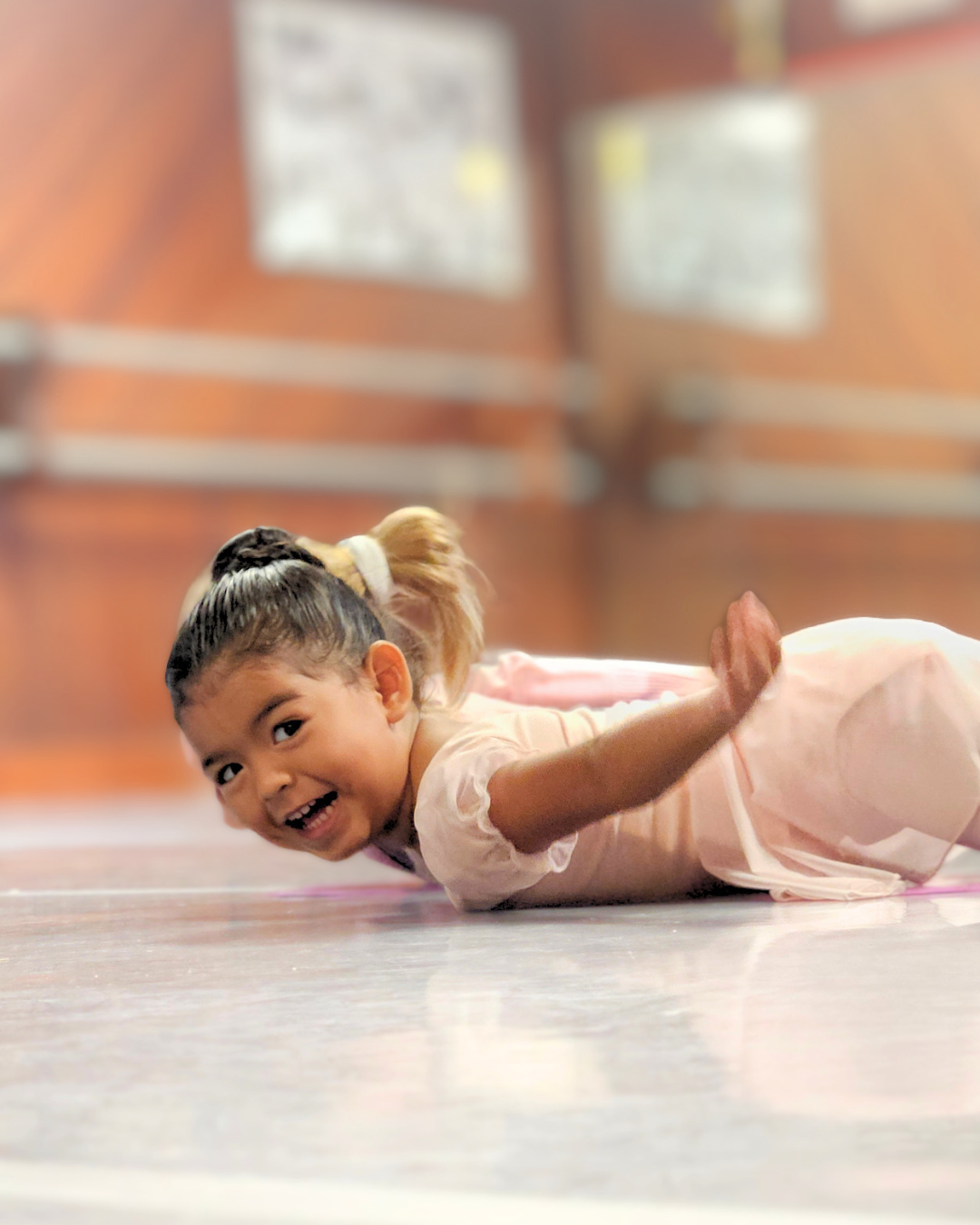
Some children join the first activity right away. Others stand and watch for a few minutes while they get comfortable with the room. Watching is not a problem. It is often how a young child gets ready to join.
At Prince William Dance Academy, our Little Stars classes for ages 3 to 5 are designed for children in Nokesville and nearby Bristow taking some of their very first steps into dance. The goal is not advanced technique. It is to help each child feel welcomed, supported, and excited to come back next week.
Dance Classes for Ages 5 to 7 (Rising Stars)
Between 5 and 7, many children are ready for a little more structure. They can often remember longer combinations, follow a few directions in order, and pay closer attention to rhythm and technique.
This is an important social age too. Children are learning how to make friends, work through frustration, and understand that everyone learns at a different pace. In class, they see the same faces each week, learn beside one another, and celebrate small wins together.
Our Rising Stars program for ages 5 to 7 introduces developing dancers to rhythm, coordination, and beginner technique in ballet, tap, jazz, and hip hop, while still leaving plenty of room to explore. No prior experience is needed. What a child needs is a class that fits their age and a teacher who knows how to help beginners grow.

Dance Classes for Ages 8 to 11 (Shooting Stars)
It is not too late to begin at 8, 9, 10, or 11. Older beginners can often follow longer directions and pick up more complex sequences, though every dancer moves at their own speed.
They may also be more aware of being new, which is exactly why the environment matters so much. A beginner should never feel embarrassed for starting later than someone else. They deserve clear instruction, respectful guidance, and time to develop.
Our Shooting Stars program for ages 8 to 11 helps growing dancers strengthen their skills and explore different styles, including ballet, jazz, tap, hip hop, acro, lyrical, and musical theater. Some students want a fun weekly activity. Others discover a deeper interest and choose to keep training. There is room for both here.

Can Teens Start Dance? (All Stars, Ages 12+)
Yes. A dancer does not have to begin at 3 to enjoy or do well in dance.
Teen beginners can build real technique, musical awareness, and performance skills, and they often find a creative outlet and a group of people learning right beside them. Starting something new as a teenager can feel vulnerable, so respect in the room matters. Teachers should correct without making a student feel small, and classmates should be encouraged to support rather than compare.
Our All Stars classes serve dancers ages 12 and up, including students who want to keep growing and those who are ready to try dance for the first time.
What About Competition and Performance?
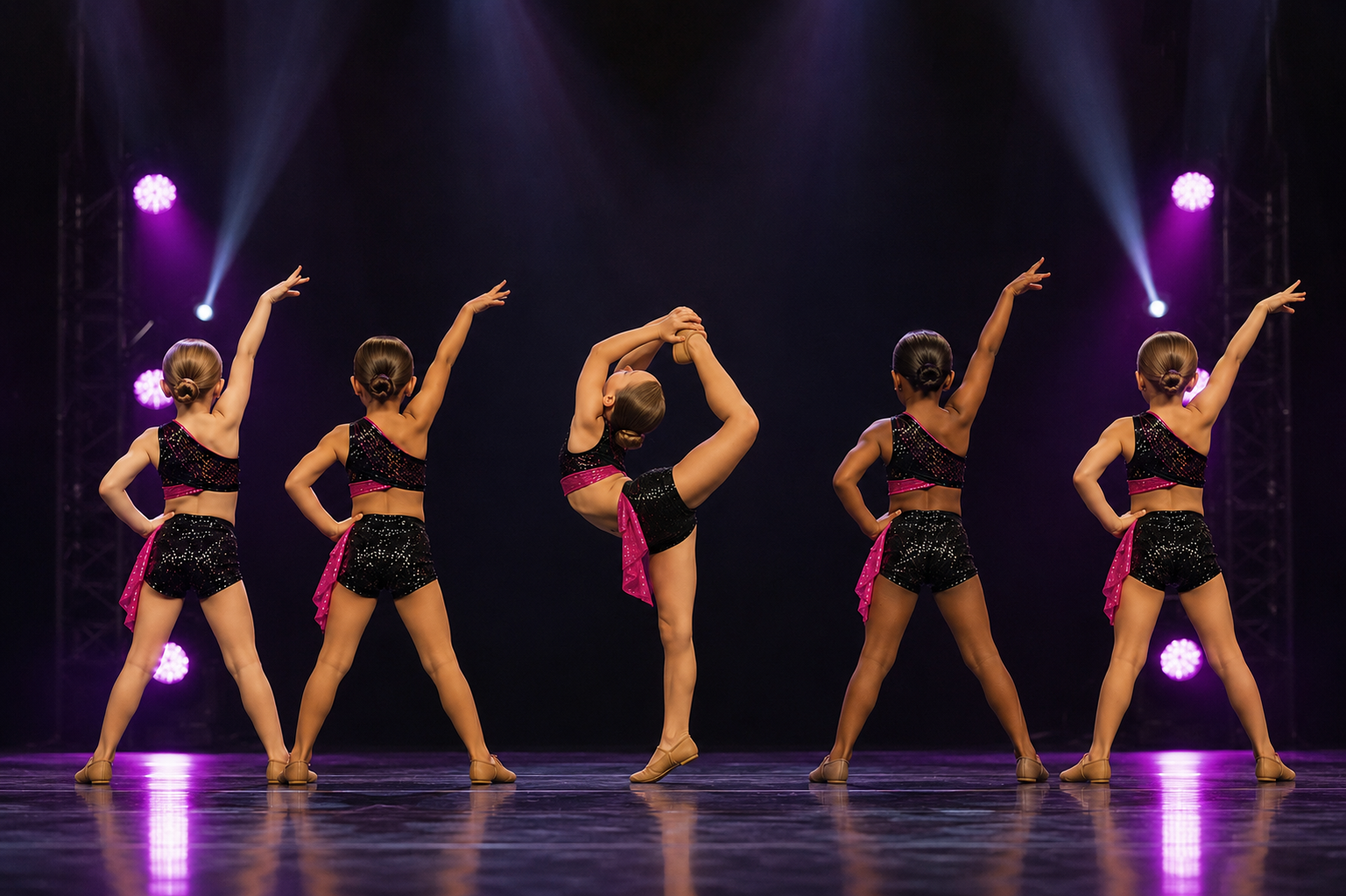
Some dancers reach a point where they want more. More rehearsal, more performance, more time with a team. That is what the Prince William Dance Academy Competition Team is for. It is open to dancers ages 5 and older and is one part of our studio, built on the same values as every recreational class.
We want to be clear about something, because it matters to us. Competition is not the goal for every child, and a recreational dancer is every bit as important as a team dancer. The team simply gives students who want additional opportunities a way to keep growing inside the same supportive environment. If that is something your dancer becomes curious about down the road, we are always happy to talk it through with you.
How Do I Know Whether My Child Is Ready?
You do not need a formal readiness test. Just pay attention to your child's interest and how they respond to simple group experiences.
Your child may be ready to try dance if they:
Move or sway when music comes on
Enjoy pretending or copying movements
Show interest in dancers or dance classes
Can follow a few simple directions with support
Are starting to join group activities
Enjoy learning new physical skills
Ask to try dance
A child does not need to check every box, and they certainly do not need to be outgoing. Quiet children dance. Cautious children dance. Children who are still learning how to listen dance. Readiness does not mean your child will walk into the first class without any hesitation. It simply means a class may be a good next step for where they are right now.
These are practical signs of interest, not a developmental screening tool. If you have concerns about your child's development, your child's healthcare provider is the right person to ask.
What If My Child Is Shy or Nervous?
A shy child does not need to become a different child to belong in dance.
Some children walk in and start talking right away. Others need time to understand the room before they feel ready. A good teacher does not treat caution as a problem. They greet the child by name, show them where to put their things, introduce them to another dancer, and give them time to watch before joining.
Those small moments add up. At first, a child might hold tight to your hand. Then one day they walk in looking for their teacher and their friends. When children know what to expect, the room starts to feel familiar. When a teacher remembers their name, they feel seen. That is how comfort grows, one week at a time.
What If My Child Does Not Listen Perfectly?
Young children are still learning how to listen, and that is one of the reasons an age-appropriate class is so helpful.
A preschool dance teacher should not expect a 3-year-old to respond like an older student. A good early class is built around movement, repetition, clear transitions, and simple instructions. Over time, children get repeated chances to practice watching the teacher, listening for their name, starting and stopping with the music, and following one step and then the next.
The goal is never instant perfection. It is steady growth inside a structure that feels safe.
How Dance Gives Character Room to Grow
Dance does not automatically make a child patient or kind. But the right studio gives children regular chances to practice those things.
It can look like trying again instead of giving up. It can look like listening while another group takes the floor. It can look like helping a classmate remember where to stand, or arriving prepared and taking care of their own shoes. Friendship can start with two children learning the same step side by side.
These lessons are shaped by what teachers model and how children are treated each week. For us, that means safe, age-appropriate instruction and caring for the whole child, not only the dancer. Every child's name is known here, and their growth matters to the teachers guiding them.
How Often Should a Beginner Take Dance?
For most young beginners, one class a week is a good place to start. It gives a child time to learn the routine, recognize familiar faces, and look forward to coming back without filling up the week.
The right schedule depends on your child's age, their level of interest, the pace of the class, your family's other commitments, and whether they look forward to returning. As a child grows and their interest develops, they may want to add another class or style. More is not always better. A healthy start leaves a child curious and glad to come back.
Which Dance Style Is Best for a Beginner?
There is no single best style for every child. The right choice depends on age, personality, and interest. Here is a quick look at what we teach.
Ballet introduces posture, balance, body awareness, and musical timing, and it builds a strong foundation for other styles.
Tap gives children a lively way to explore rhythm, sound, and coordination.
Jazz brings upbeat music, expressive movement, and energetic combinations.
Hip hop tends to appeal to children who enjoy grounded, rhythmic, high-energy movement.
Acro combines dance with age-appropriate strength, flexibility, balance, and controlled skills.
Combination classes let younger dancers sample more than one style while they figure out what they enjoy most.
You do not need to choose a lifelong path before the first class. The first goal is simply to begin. If you would like a hand matching a style to your child, our team is glad to help.
Dance Classes by Age at a Glance
Ages 3 to 5
Little Stars
Creative movement, rhythm, simple directions, classroom routines
Ages 5 to 7
Rising Stars
Beginner technique, short combinations, group participation
Ages 8 to 11
Shooting Stars
Stronger technique, longer combinations, style exploration
Ages 12+
All Stars
Beginner-friendly training, artistry, and skill development
What Should Parents Look for in a Dance Studio?
The best starting age matters less if the environment is not right for your child. When you compare dance studios in Prince William County, look past the class list and ask a few real questions:
Are classes actually designed for my child's age?
Do the teachers have experience with beginners?
Are children corrected with care and respect?
Does the studio communicate clearly with parents?
Are kindness and teamwork visible in the room?
Will my child be known as an individual?
Is there room for both recreational and dedicated dancers?
A lovely recital matters. Strong instruction matters. And the way a child is treated while they learn matters just as much.
Finding Beginner Dance Classes Near Nokesville, Bristow, and Gainesville
Prince William Dance Academy is located in Nokesville, Virginia, in a restored early-1900s chapel on Fitzwater Drive that has been home to local dancers for more than two decades. Ms. Kim Teachout Thomas founded the studio in 2002, and our dancers still perform in community traditions like the Nokesville Day Parade and the Nokesville and Manassas Christmas Parades.
Families come to PWDA from Nokesville, Bristow, Gainesville, Manassas, Haymarket, and communities throughout Prince William County. If you are comparing dance studios near Gainesville, classes near Bristow, or beginner programs around Manassas and Haymarket, the drive is only one part of the decision. The deeper question is where your child will feel comfortable coming back each week, where a teacher will know their name, and where they will make a friend.
How to Get Started This Summer
Our summer dance classes are open now, with weekly options for our youngest Little Stars through experienced teen dancers in Nokesville, Bristow, Gainesville, Manassas, and Haymarket. You can browse the full summer schedule and register here: princewilliamdance.com/dance-classes.
One quick note for planning. We offer free trial classes during our fall season, not over the summer, so summer is a register-to-join season. Our fall schedule is coming soon, and free trials will open again with it. If you would like help choosing the right summer class in the meantime, our team is glad to point you in the right direction.
Have a question first? Message our team, call us at 571-568-8877, or email [email protected]. We are located at 12926 Fitzwater Dr, Nokesville, VA 20181, and we would love to help you find the class that fits your child's next step.
Meet the Director of Prince William Dance Academy

Ms. Kim, the Heart Behind PWDA
Ms. Kim has been dancing since before she could walk. With over 45 years of experience in dance and movement education, she has built PWDA into a cornerstone of the local arts community.
Her career spans performance, choreography, and teaching, with certifications from Dance Masters of America, ACE Group Fitness (Gold), and advanced coursework from Towson University in Functional Awareness: Anatomy in Action.
More than her credentials, it is Ms. Kim's warmth and passion that define PWDA. She believes every dancer, from preschoolers to adults, deserves a place where they are seen, celebrated, and inspired.
She continues to teach at George Mason University's Freedom and Aquatic Center and remains active in the Dance Studio Owners Association Inner Circle and the National Dance Educators Organization. Read more about Ms. Kim and the PWDA team.
Frequently Asked Questions
Is age 3 too young to start dance?
For many children, no. Plenty of 3-year-olds are ready for a preschool dance class built around their age, like our Little Stars classes. The class should use simple directions, repetition, imagination, and lots of movement.
Is age 5 a good time to start dance?
Yes. Many children begin around age 5. They are often ready for a little more structure while still enjoying playful, creative learning.
Is age 8 too late to start dance?
No. Children can begin at 8 or later. A supportive beginner class helps older students learn the foundations without feeling behind.
Does my child need experience before joining?
No. Our beginner classes are designed for children with little or no previous dance experience.
What if my child watches instead of participating?
That is completely normal, especially for younger dancers. Some children need a few minutes to understand the room and routine before they join, and watching is often part of getting comfortable.
What if my child is shy?
Shy children do very well in dance. Look for a teacher who lets children warm up gradually and creates a class where every dancer feels seen. That is a priority in our classrooms.
Will dance help my child learn to listen?
Dance gives children repeated practice listening for music, directions, transitions, and their names. Listening develops over time and should be taught in an age-appropriate way.
How many dance classes should a beginner take?
One class a week is a good starting point for most young beginners. You can always add classes later based on age, interest, and schedule.
Should my child take ballet first?
Ballet is a helpful foundation, but it is not the only place to begin. Tap, jazz, hip hop, acro, and combination classes can all be a great fit depending on your child.
Do you offer free trial classes?
We offer free trials during our fall season rather than over the summer. Summer classes are open for registration now, and our fall schedule with free trials is coming soon. You can see current classes on our class schedule page.
One Last Thought
A first dance class often begins with a child standing quietly at the edge of the room. Then the music starts. A teacher says their name. They try one movement, then another. They start to recognize the children beside them and remember where to stand.
Week by week, the studio becomes more than a room. It becomes a place where your child is known, encouraged, and glad to come back. That is what we have tried to build in Nokesville for more than 23 years, and we would be happy to welcome your family into it.
If you are looking for beginner dance classes in Nokesville, Bristow, Gainesville, Manassas, Haymarket, or anywhere in Prince William County, take a look at our age-based programs and find the class that fits your child right now.